Why You Should Take Your Child to a Pediatric Dentist
Understanding the importance of dental health for children can lead to a lifetime of healthy habits. Despite common misconceptions, pediatric dentists offer a range of benefits tailored to the unique needs of children. This article highlights why choosing a pediatric dentist is crucial for your child's oral health.
They Have Specialized Training and Expertise
Pediatric dentists undergo specialized training to focus on the dental care of infants, children, and teenagers. Their education equips them with a deep understanding of the various stages of a child's dental development. This knowledge is crucial as children's teeth and gums undergo rapid changes. With such expertise, pediatric dentists can provide effective care by tracking growth and anticipating future dental challenges. Identifying and appropriately addressing these stages allows for better oral health outcomes throughout a child's development.
The range of dental issues that can affect children is broad and specific. Pediatric dentists are skilled at addressing problems like teething pain, misaligned bites, and premature loss of teeth. Their training allows them to not only treat these problems effectively but also implement preventive measures. For instance, custom-made mouthguards can be suggested during sports activities. A pediatric dentist's expert approach ensures that dental issues are handled gently and with the least distress to the child.
Prompt recognition of dental issues can prevent more serious complications. A pediatric dentist has specialized training to spot early signs of tooth decay, gum disease, and other dental conditions. This professional insight can be invaluable in forestalling major dental issues later in life. According to the CDC, children aged 6 to 9 from lower income households were more than twice as likely (25%) to have untreated cavities than children from higher income households (10%), highlighting the importance of regular professional check-ups.
They Create a Child-Friendly Environment
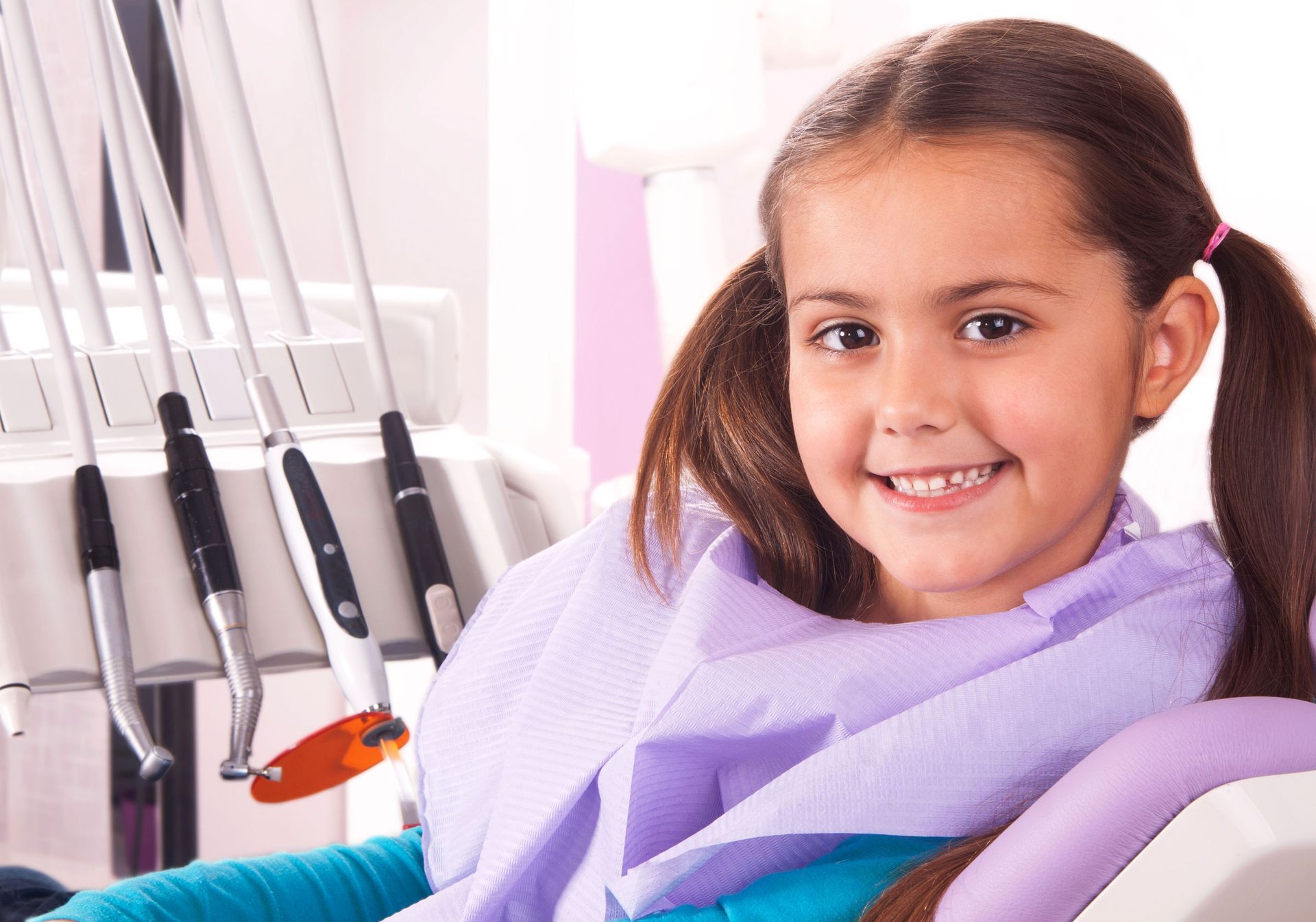
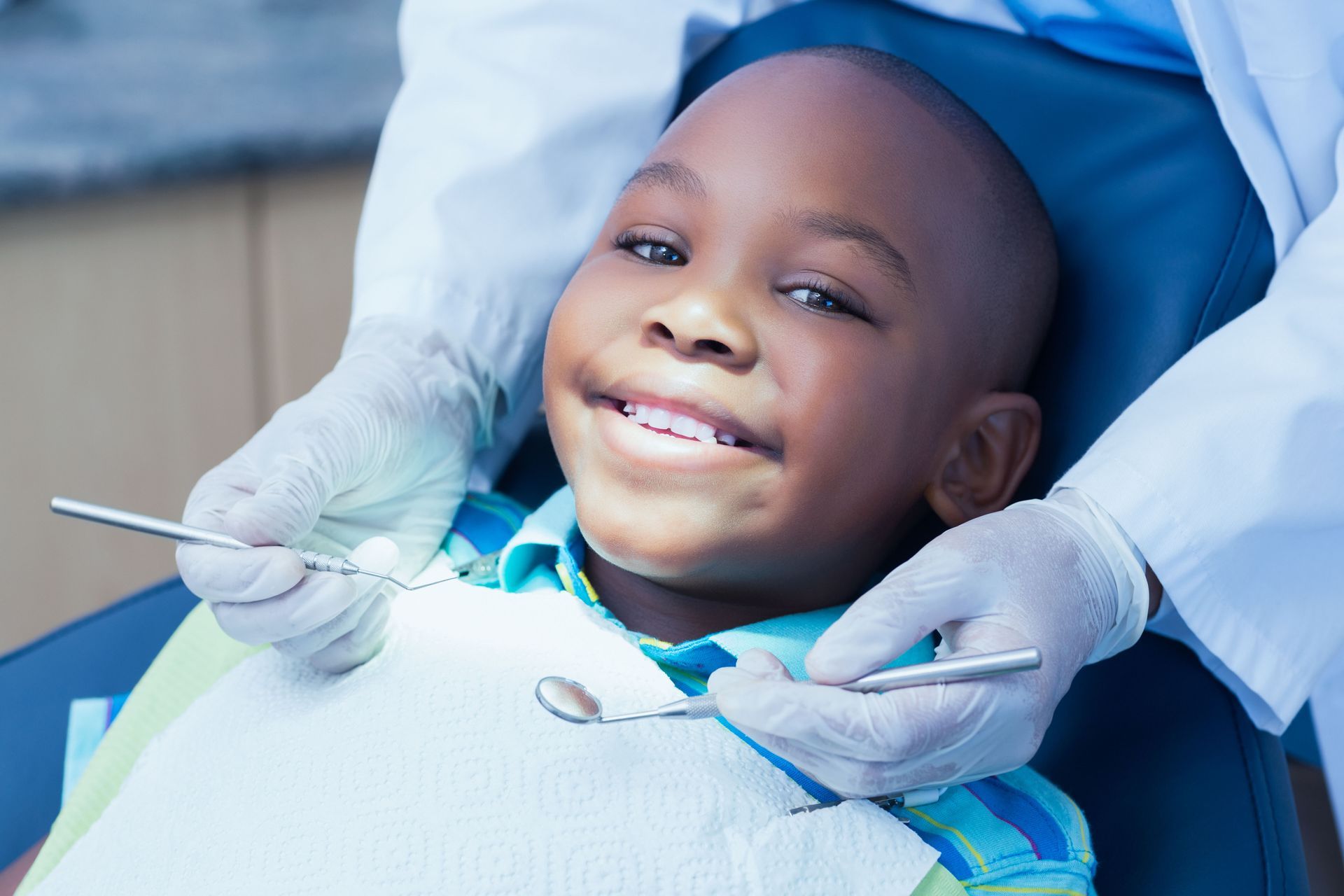
The environment in a pediatric dental office is thoughtfully designed for children. Bright colors, fun themes, and interactive waiting areas contribute to a welcoming atmosphere. Each element is carefully selected to put children at ease and distract them from any anxiety. The intention is to transform a potentially fearful experience into an enjoyable one. This creates a whole different atmosphere compared to what adults typically encounter at general dental practices.
Creating an environment of comfort and safety is essential when it comes to pediatric dentistry. This is achieved through gentle handling, clear communication, and an understanding approach. The dental team utilizes techniques to ensure children feel reassured throughout their visit. For example, explaining procedures in child-friendly terms and showing demonstrations can alleviate fears. This supportive environment plays a crucial role in helping young patients feel secure and well cared for.
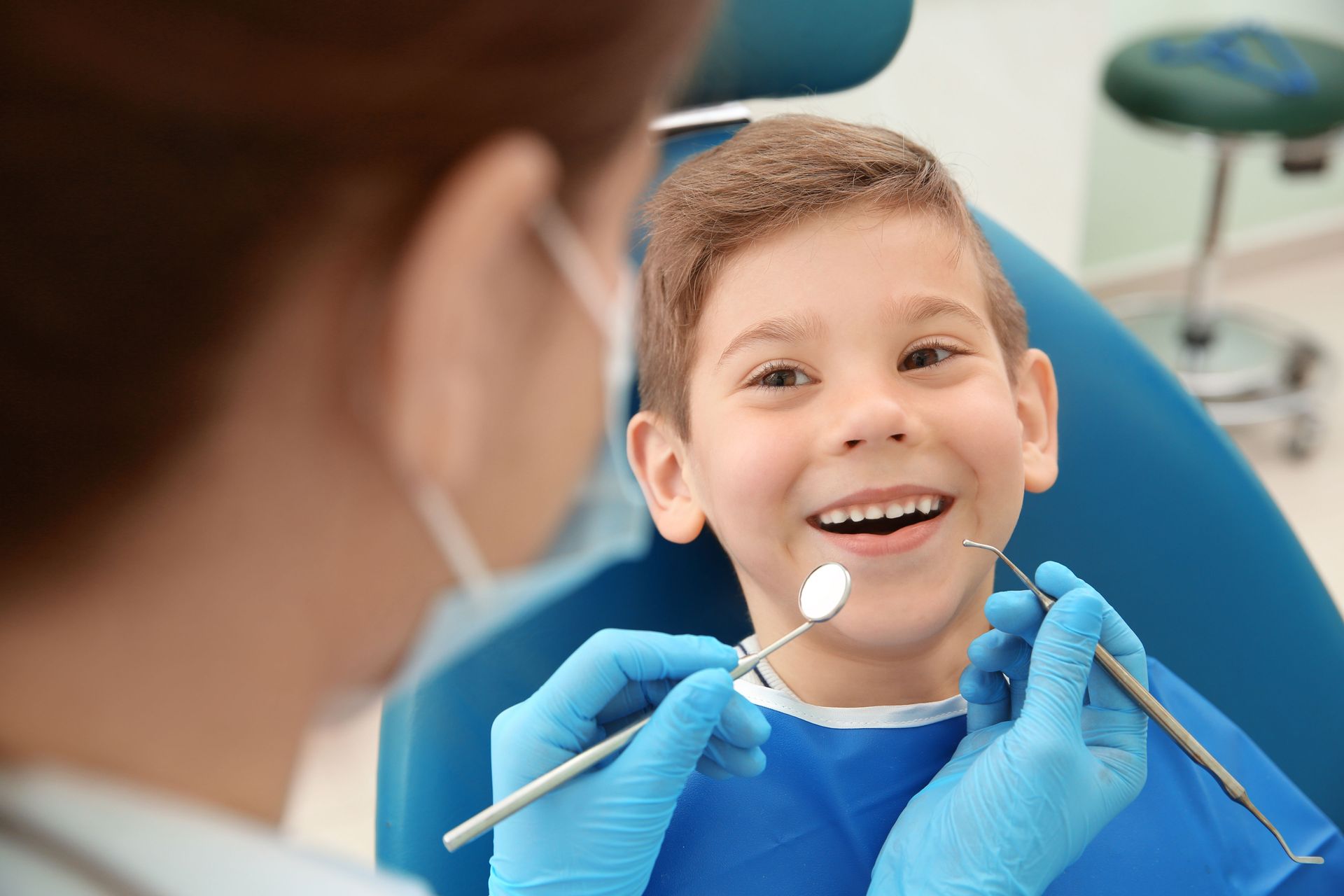
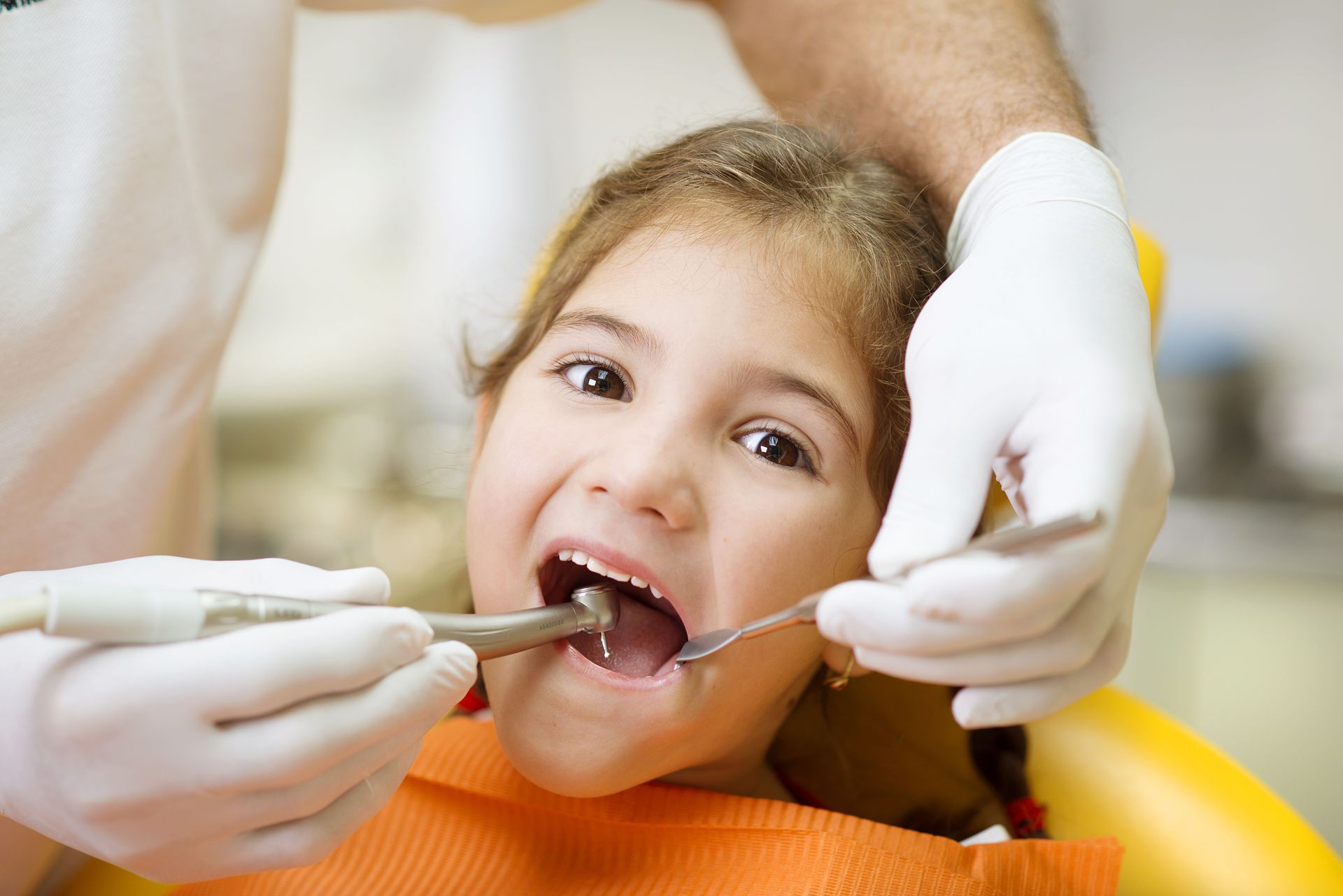
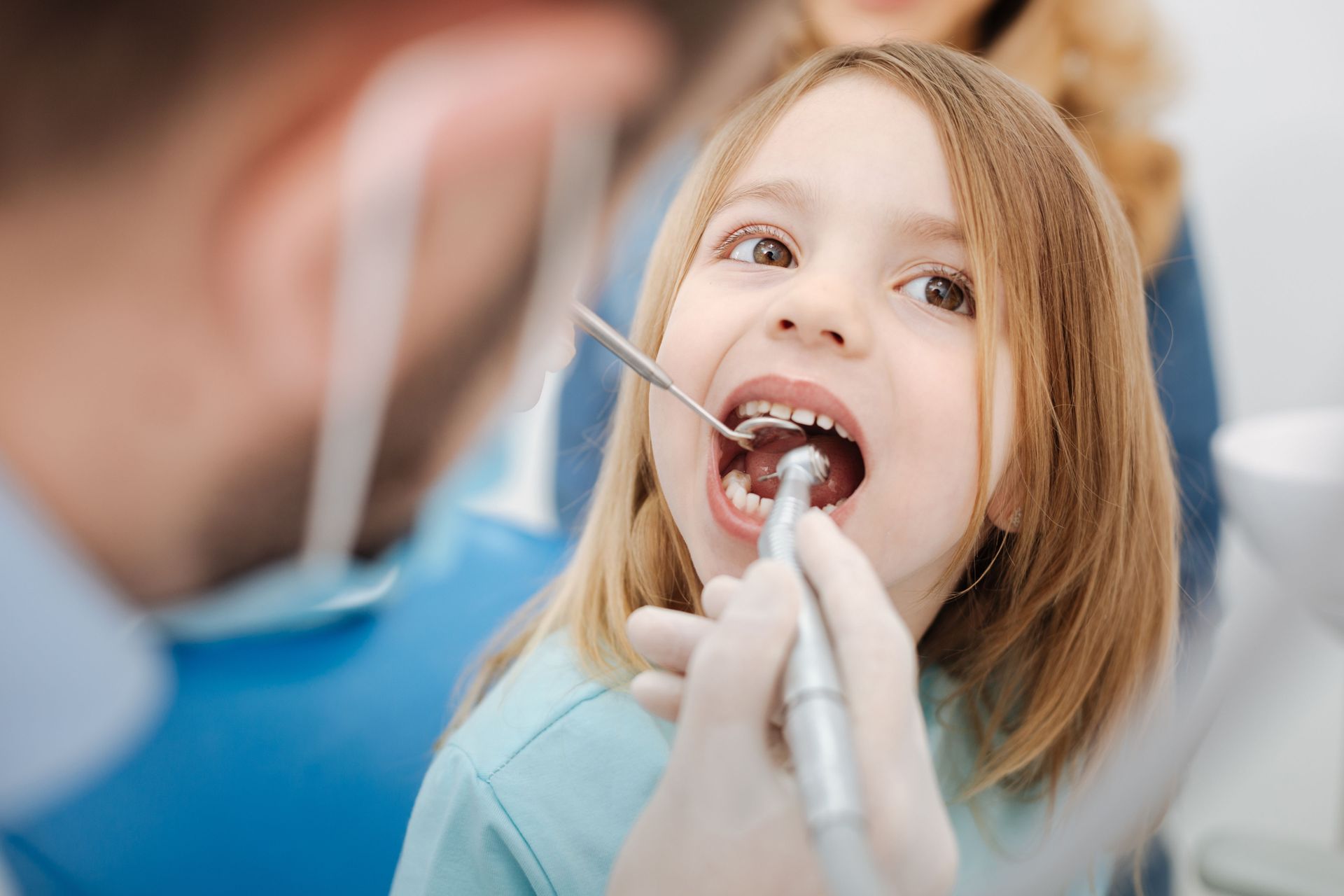
Using appropriately sized tools and equipment is another crucial aspect of pediatric dentistry. Instruments like smaller-sized mirrors and drills contribute significantly in providing effective and gentle care. They help minimize discomfort and ensure precision when working within a child's small mouth. Pediatric dental practices are specifically equipped to cater to the unique needs of children, ensuring their comfort and safety at all times. In our experience, when children see tools that are "just their size," they are less likely to be intimidated by them.
They Aid With Preventive Dental Care
Preventive dental care is centered around education and the establishment of healthy habits. Your child's pediatric dentist places a strong emphasis on teaching children how to care for their teeth. Techniques for brushing and flossing are demonstrated, often involving interactive activities. Learning about oral hygiene in a fun and engaging way can lead to long-term retention of these important habits. Education in this setting not only benefits the child but also empowers parents to reinforce these habits at home.
Regular check-ups and cleanings form the backbone of preventive dental care. These visits offer an opportunity to monitor the child's dental health and address potential issues before they escalate. During these appointments, plaque and tartar that brushing might miss are removed, preventing cavities and gum disease. These visits also provide a chance to reinforce oral hygiene practices with both the child and parents. Additionally, such routine interactions help build a relationship between the child and their dentist, fostering trust and reducing anxiety associated with dental visits.
Fluoride treatments are a common preventive measure offered by pediatric dentists. Fluoride strengthens the enamel, making it more resistant to decay and cavities. This simple yet effective treatment can significantly reduce the risk of dental caries, especially in children who may not yet excel in brushing techniques. Pediatric dentists often recommend fluoride varnishes during regular check-ups, especially for children at higher risk of cavities.
They Catch Early Issues and Offer Treatment Options
Early detection of misaligned teeth can significantly improve a child's oral health outcomes. Pediatric dentists utilize their expertise to identify issues such as overbites, underbites, and overcrowding. Addressing these problems early can prevent more severe orthodontic interventions in the future. Treatment plans might include early orthodontic evaluations or referrals to specialists. By intervening at a young age, a trained pediatric dentist helps avoid complex orthodontic procedures during teenage years.
Tooth decay remains one of the most common childhood dental issues. Pediatric dentists are adept at spotting early signs of cavities before they worsen. Early detection allows for treatment options that are less invasive and distressing to the child. Simple interventions, such as sealants or fluoride treatments, can halt the progression of decay. This proactive approach helps preserve the primary teeth, which play a critical role in the development of permanent teeth.
Gum disease, though commonly associated with adults, can affect children as well. Pediatric dentists are trained in the early detection and management of gingivitis and other periodontal diseases. Regular cleanings and examinations can reveal early signs of gum problems. Proper guidance on brushing and flossing, combined with professional cleanings, helps manage these conditions effectively. Addressing gum health from an early age sets a precedent for maintaining overall oral health throughout life.
They Provide Education and Guidance for Parents
Pediatric dentists play a crucial role in educating parents about effective oral hygiene techniques for their children. They emphasize the importance of supervised brushing, ensuring that children learn the correct way to clean their teeth. Techniques such as using a pea-sized amount of toothpaste and the proper angle of brushing are illustrated. Educating parents empowers them to instill these habits from an early age, setting their children on the path to good oral health. Regular dental visits reinforce these techniques through professional guidance and demonstrations.
Diet plays a fundamental role in oral health, and pediatric dentists offer valuable advice on this topic. Counseling sessions often involve discussing the impact of sugary snacks and drinks on dental health. Parents are encouraged to introduce a balanced diet rich in fruits, vegetables, and dairy products that can help maintain healthy teeth. The importance of limiting sugary treats and encouraging water over sweetened beverages is highlighted. By providing this nutritional guidance, pediatric dentists equip parents to make informed decisions that positively influence their child's dental health.
Teething is a significant milestone that comes with its challenges. Pediatric dentists offer advice on managing teething discomfort and using appropriate soothing techniques. They also provide information on expected timelines for the eruption of teeth and their subsequent development stages. Additionally, briefings on what to expect during certain milestones, such as the loss of baby teeth, are provided. This guidance prepares parents for the changes they can anticipate in their child's dental health journey.
Choosing a
pediatric dentist for your child not only addresses immediate dental needs but also fosters a positive, proactive approach towards lifelong oral care. By investing in specialized dental care early on, parents can ensure their children enjoy not just healthy teeth, but also learn the value of taking care of their overall well-being. Reach out to Chew Chew Dentistry, and schedule an appointment for your child with us today.




Share On: