Helpful Tips For Getting Your Child to Practice Oral Hygiene
Good oral hygiene habits begin early in life, but getting children excited about brushing and caring for their teeth can sometimes feel challenging. Many young children view brushing as a chore rather than an important part of their daily routine. As parents and caregivers, helping children understand the value of healthy teeth while making the experience enjoyable can encourage habits that last a lifetime.
Strong oral care routines do more than create bright smiles. They help support overall health, comfort, and confidence. Developing positive habits during childhood often leads to better dental health as children grow into adulthood. By using encouragement, consistency, and age-appropriate strategies, families can help children build a healthy relationship with oral care.
Make Oral Care Feel Like a Fun Activity
Children are naturally drawn to activities that feel enjoyable rather than mandatory. Turning oral hygiene into a positive experience can significantly increase cooperation and enthusiasm.
One helpful approach is to incorporate songs, stories, or games into brushing time. Children often respond well when oral care feels like part of playtime rather than another task on their daily schedule. Parents can create routines that feel exciting by using imagination and creativity during brushing sessions.
Choosing child-friendly dental products can also make a difference. Toothbrushes featuring favorite characters or colorful designs may increase a child’s willingness to participate. When children feel a sense of ownership over their oral care tools, they may become more invested in using them regularly.
Making brushing enjoyable helps reduce resistance and encourages children to view oral hygiene as a normal and positive part of everyday life.
Create Oral Care Through Consistent Routines
Consistency is one of the most effective tools for establishing healthy habits. Children thrive when they know what to expect throughout the day, and oral care should become a predictable part of that routine.
Brushing at the same time each day helps children understand that oral hygiene is a nonnegotiable activity. When brushing becomes integrated into familiar morning and evening routines, children are less likely to question or resist it.
Consistency also helps reinforce expectations. Rather than treating oral care as an occasional priority, regular practice demonstrates its importance. Over time, children begin to accept brushing as a normal responsibility rather than something unusual or inconvenient.
Families who maintain steady routines often find that children become more cooperative as healthy habits become second nature.
Encourage Oral Care Through Positive Reinforcement
Children often respond better to encouragement than criticism. Positive reinforcement can help motivate children to participate willingly in oral hygiene practices.
Celebrating effort rather than perfection is especially important. Praising children for brushing, following instructions, or showing responsibility can strengthen positive associations with oral care. Even small acknowledgments can help build confidence and enthusiasm.
Parents can also emphasize the benefits of healthy teeth in ways children understand. Talking about strong smiles, fresh breath, and comfortable eating experiences can make oral hygiene feel more meaningful.
When children feel proud of their efforts, they are often more motivated to continue practicing healthy behaviors. Encouragement creates a supportive environment that promotes long-term success.
Teach Oral Care Through Age-Appropriate Education
Children are more likely to participate when they understand why something matters. Providing explanations that match a child’s developmental stage can increase engagement and cooperation.
Simple discussions about how teeth help us eat, speak, and smile can create a foundation for understanding. As children grow older, parents can introduce additional information about oral health and why regular brushing is important.
Educational books, videos, and conversations can reinforce these concepts in ways that feel accessible and interesting. The goal is not to overwhelm children with information but to help them appreciate the purpose behind their daily habits.
The importance of preventive care becomes even clearer when considering common dental concerns among children. According to the CDC, 50% of children between the ages of six and nine have experienced cavities in either baby teeth or permanent teeth. This highlights the value of early education and consistent oral care practices.
When children understand the reasons behind brushing and dental visits, they are often more willing to participate actively in maintaining their oral health.
Model Oral Care Through Family Participation
Children frequently learn by observing the people around them. Parents and caregivers play a powerful role in shaping attitudes and behaviors related to oral health.
Brushing together can create opportunities for children to see healthy habits in action. When oral care becomes a shared family activity, children may feel more comfortable and motivated to participate.
Family involvement also allows parents to demonstrate proper techniques and establish positive attitudes toward dental care. Children who see adults prioritizing oral health are more likely to recognize its importance.
In addition, shared routines can create moments of connection and encouragement. Rather than approaching oral care as an isolated responsibility, families can make it part of their daily interactions.
Modeling healthy behaviors consistently helps reinforce lessons and creates a supportive environment for lifelong oral wellness.
Support Oral Care Through Healthy Lifestyle Choices
Oral hygiene extends beyond brushing alone. Daily habits related to nutrition and overall health can influence the condition of a child’s teeth and gums.
Encouraging balanced eating habits can support strong teeth and contribute to better oral health outcomes. Providing a variety of nutritious foods helps promote overall wellness while supporting healthy dental development.
Hydration also plays an important role in maintaining oral health. Drinking water throughout the day can help support a cleaner and healthier mouth environment.
Parents can further support oral hygiene by encouraging habits that align with professional recommendations and preventive care strategies. These efforts complement regular brushing and help create a more comprehensive approach to oral health.
When children understand that oral wellness is part of overall health, they begin to see brushing as one component of a larger commitment to caring for themselves.
Strengthen Oral Care Through Professional Guidance
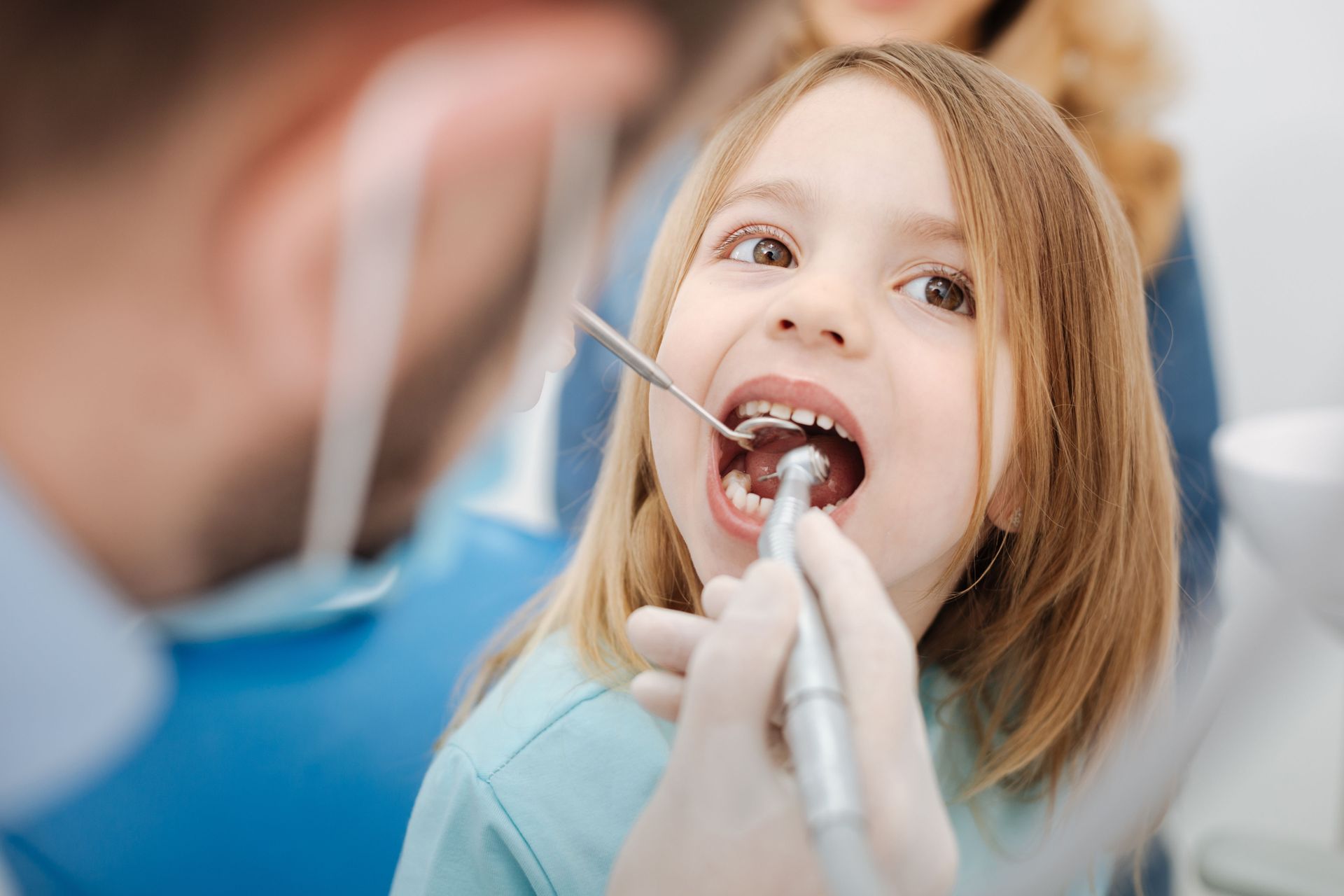
Regular professional dental care is an important part of maintaining healthy smiles throughout childhood. Professional visits provide opportunities for monitoring development, identifying concerns, and reinforcing healthy habits.
Dental professionals can offer personalized guidance based on a child’s age, needs, and oral health status. They can also answer questions and help families navigate common challenges related to brushing and preventive care.
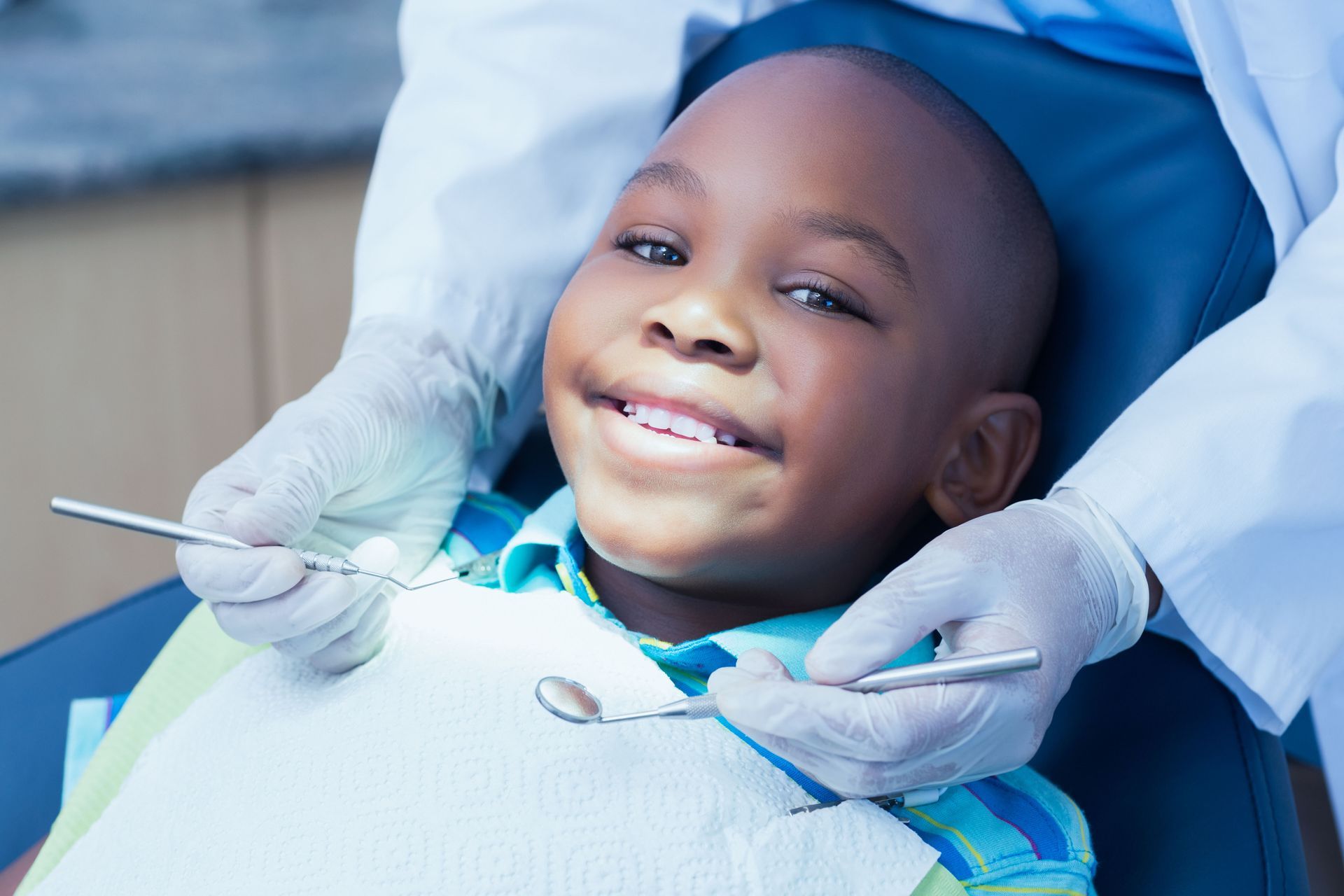
Professional support often helps children become more comfortable with dental environments. Positive experiences can reduce anxiety and encourage cooperation during future visits.
Families benefit from partnering with experienced providers who understand how to communicate effectively with children and create welcoming experiences. Professional guidance complements at-home efforts and supports long-term oral health goals.
Through ongoing care, families gain valuable resources and support that help children maintain healthy habits as they grow.
Maintain Oral Care Through Patience and Persistence
Developing healthy habits takes time. Children may not immediately embrace oral hygiene routines, and occasional resistance is normal. Patience and persistence are essential for long-term success.
Parents should remember that habit formation is a gradual process. Consistently reinforcing expectations while maintaining a positive attitude can help children adapt over time. Remaining calm during challenging moments often produces better outcomes than frustration or pressure.
Flexibility can also be helpful. As children grow and their interests change, families may need to adjust strategies to keep oral care engaging and relevant. What works during one stage of development may evolve as children mature.
The most important factor is maintaining commitment to healthy routines. Small daily efforts accumulate over time and contribute to lasting habits that support oral health well into adulthood.
Helping children practice good oral hygiene requires a combination of consistency, encouragement, education, and professional support. By making oral care enjoyable, establishing predictable routines, and modeling healthy behaviors, families can create a positive foundation for lifelong dental wellness.
Strong habits formed during childhood often influence future health outcomes and contribute to confident, healthy smiles. Through patience and ongoing guidance, parents can help children develop the skills and attitudes necessary for successful oral care.
If you are looking for compassionate pediatric-focused care and expert guidance, contact Chew Chew Dentistry to learn how we can support your child’s oral health journey through quality dentistry services tailored to young patients and their families.




Share On: